

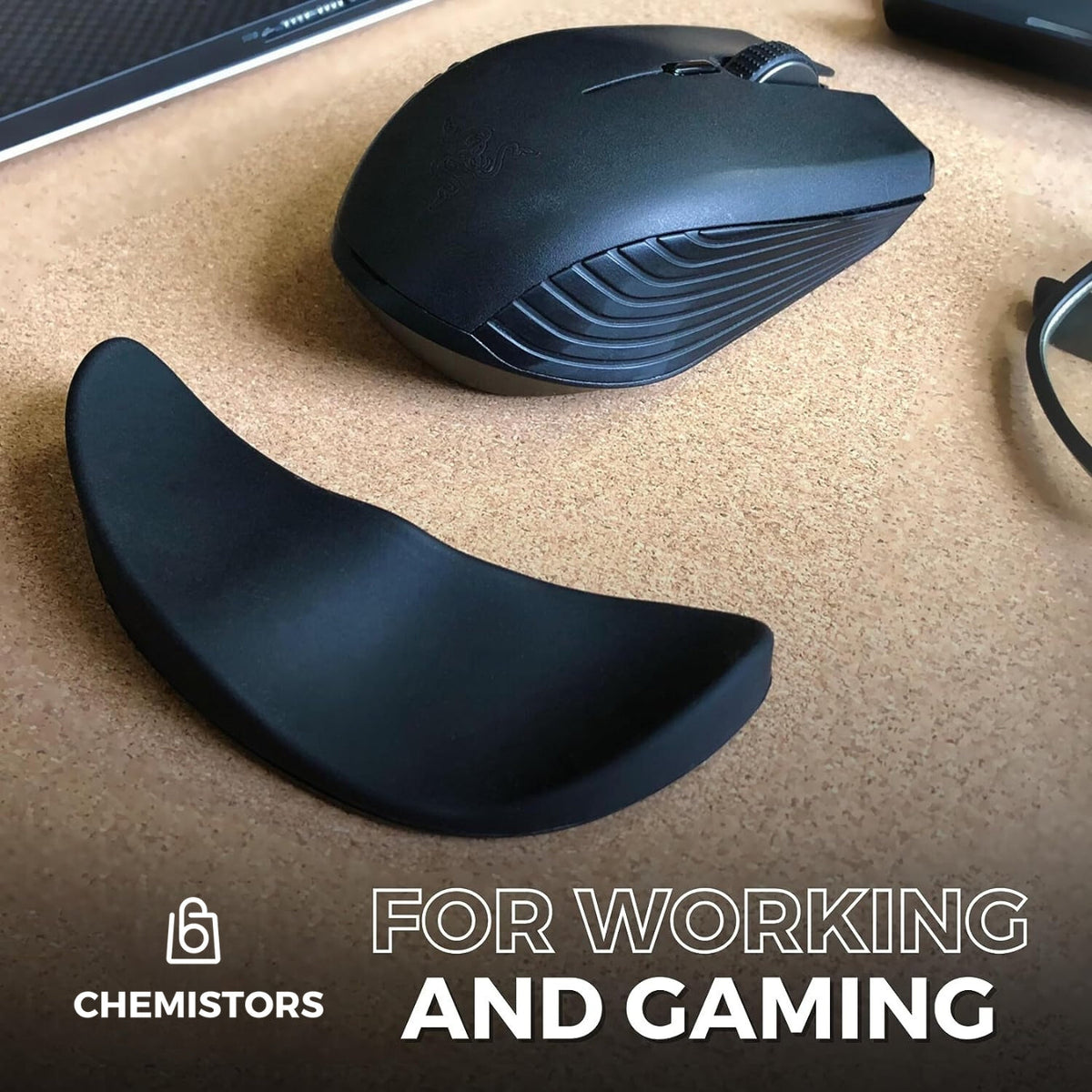
How do you prevent RSI at your desk in India? Fix wrist angle and keyboard height first, add structured breaks every 20-30 minutes, and only then bring in supporting gear. Skip that order and a wrist rest alone will not solve the underlying problem.
What Actually Causes RSI at an Indian Desk Job
Repetitive strain injury is not one condition. It is tissue damage from repeating the same small motion thousands of times a day, usually while the joint sits in an awkward, non-neutral position for hours without a break. A 2022 study in the Indian Journal of Occupational and Environmental Medicine found 29.6% prevalence of upper-limb RSI symptoms among IT professionals in Bengaluru, driven mainly by long uninterrupted typing and mousing sessions on desks not sized for the person using them. The mechanism is simple: static muscle load, plus repeated micro-movement, plus poor recovery time between sessions. India-specific factors make it worse. Standard office desks are built to a fixed 74-75 cm height regardless of who sits at them, and a large share of home setups use a dining table or a bed as a workstation, which puts the wrist at the wrong angle for 8-10 hours straight, five or six days a week.
Fix Your Wrist and Keyboard Position First
Before buying anything, get the geometry right, since gear cannot compensate for a bad starting position. Elbows should sit at roughly 90-100 degrees, wrists should stay flat and straight rather than bent up, down, or sideways, and the keyboard should sit low enough that shoulders stay relaxed instead of hunching to reach it. This single change resolves a large share of early RSI symptoms because it removes the sustained wrist extension that compresses the median nerve, the same mechanism behind carpal tunnel syndrome. See our neutral wrist position guide for the exact angles. Most Indian desks are built too high for the average seated height here, so a cushion under you, not a pad under your hands, is often the actual fix that a wrist rest alone cannot deliver. Check monitor height too: the top of the screen should sit at eye level, since a low screen drags the head and shoulders forward and drags the wrists out of neutral along with them.
Build In Micro-Breaks That Actually Work
Gear cannot substitute for rest, and this is the step most desk workers skip entirely. The U.S. National Institute for Occupational Safety and Health recommends a short break, even 20-30 seconds, every 20-30 minutes of continuous repetitive work, because tendons need frequent micro-recovery windows more than they need one long lunch break. In practice this means a 20-second wrist stretch and a shoulder roll every half hour, tracked with a phone timer, not willpower, since willpower fades by the third hour of a deadline. A common mistake is batching all rest into one long stretch at the end of the day. That does not give inflamed tendons the frequent recovery cycles they need to heal between sessions. Set the timer before symptoms start, not after the first tingling shows up. Back-to-back calls are the usual excuse for skipping breaks; even a 10-second wrist shake between calls beats one long stretch saved for the end of the day.
Choose Gear That Supports Neutral Posture
Once position and break timing are fixed, gear closes the remaining gap. The table below compares the three most common desk-ergonomics purchases by what each one actually solves.
| Gear | Solves | Does Not Solve | Typical Price (India) |
|---|---|---|---|
| Wrist rest (gel or memory foam) | Keeps wrist flat during pauses | Poor keyboard height, no breaks | ₹399-899 |
| Ergonomic mouse pad with wrist support | Reduces wrist extension while mousing | Elbow angle, shoulder posture | ₹499-999 |
| Adjustable keyboard tray or riser | Fixes desk-to-elbow height mismatch | Repetitive motion itself | ₹1,200-2,500 |
The Chemistors Ergonomic Mouse Wrist Rest is built for the first row of that table: it keeps the wrist floating instead of pressed against a hard edge, where most off-the-shelf pads fail within weeks. Pair it with the Pain Relief Mousepad if the mousing hand flares up first, since the two solve slightly different parts of the same problem.
Warning Signs You Should Not Ignore
Tingling that resolves within minutes of stretching is normal early strain, and it responds well to the fixes above. Numbness that wakes you at night, weakness when gripping a chai cup, or pain that persists after a full weekend off are not normal, and gear will not fix them. Those point toward nerve compression, which the Repetitive Strain Injury glossary entry explains in more clinical detail, and which posture changes alone will not reverse once it has set in. At that stage, see a doctor rather than trying another gadget or a different chair. Our carpal tunnel buying guide covers what changes once symptoms cross from ordinary strain into diagnosed nerve compression, including when a wrist rest genuinely helps and when it is already too late for one to matter. Keeping a short symptom log, noting when the tingling starts and how long it lasts, makes that conversation with a doctor faster and more useful than describing it from memory.
Frequently Asked Questions
What are the first signs of RSI from desk work? Early RSI usually shows up as a dull ache or tightness in the wrist, forearm, or shoulder by late afternoon, easing overnight. Some people notice mild tingling in the fingers after long typing sessions. These signs mean it is time to fix posture and add breaks immediately, before the pattern becomes chronic. Waiting until pain is constant makes recovery slower and sometimes requires a longer break from typing altogether.
How long before RSI symptoms improve with ergonomic changes? Most people notice less end-of-day soreness within one to two weeks of fixing wrist angle and adding regular breaks. Full recovery from moderate strain, once nerve or tendon irritation has set in, typically takes four to eight weeks of consistent posture and rest. Symptoms that have been building for months take proportionally longer to resolve, even with correct changes.
Can a wrist rest alone prevent RSI? No. A wrist rest only helps if your keyboard and mouse height are already close to correct; it cannot fix a desk that is too tall or a chair with no back support. Used alone, without break structure, a wrist rest slows the onset of strain but does not remove the underlying repetitive load. Treat it as the last piece, not the first.
How often should I take breaks to prevent RSI at a desk job? Aim for a 20 to 30 second break every 20 to 30 minutes, plus a longer 5-minute stretch every 90 minutes to 2 hours. This matches NIOSH guidance for repetitive-motion work and gives tendons enough micro-recovery time. Pair the routine with the wrist angles in our neutral position guide so each break resets to a correct posture, not just a paused one. A single long break at day's end does not substitute for frequent short ones spread through the workday.
Is RSI permanent if untreated? Early-stage RSI is almost always reversible with posture correction and rest. Left untreated for months, it can progress into diagnosed conditions like carpal tunnel syndrome or tendinitis, which sometimes need medical treatment or, rarely, surgery to resolve. The earlier the intervention, the higher the chance of a full recovery without needing anything beyond ergonomic changes.






Leave a comment
This site is protected by hCaptcha and the hCaptcha Privacy Policy and Terms of Service apply.