

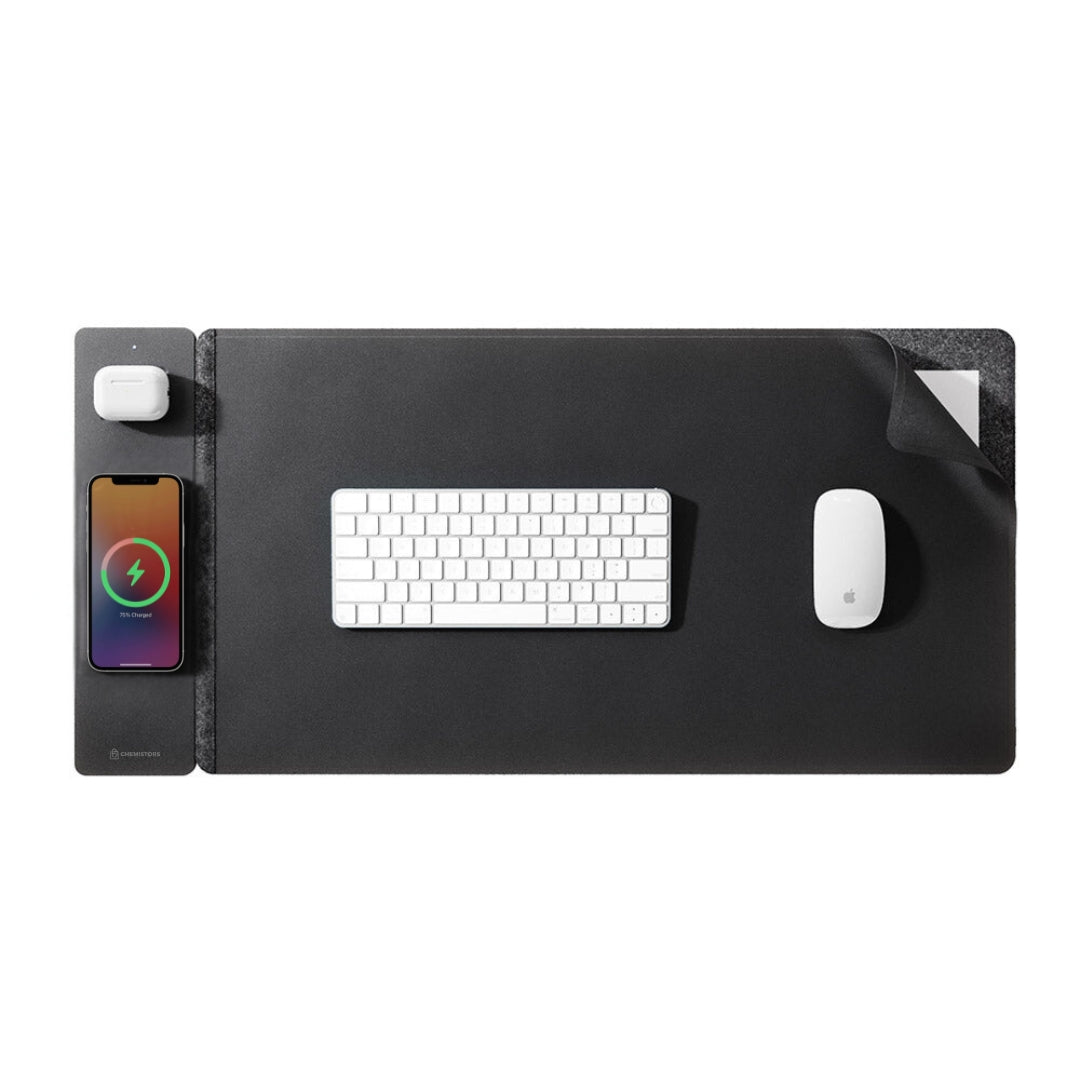
A study table setup for students in India works when four things are right together: desk height, a surface that survives daily wear, focused lighting, and a way to protect the laptop between home and college. Get those four right and everything else - decor, storage boxes, motivational posters - is optional.
What a Study Table Setup for Students Actually Needs
Most Indian study tables are inherited furniture, sized for whoever last used the room. That mismatch is the real cause of slouching, not laziness. The Occupational Safety and Health Administration (OSHA, 2023) recommends a desk height of 71-76 cm for an adult sitting with elbows at roughly 90 degrees, feet flat on the floor. If the table is higher, a cushioned chair or a footrest closes the gap. If it is lower, a laptop riser lifts the screen to eye level instead of forcing a hunched neck.
Storage matters more for students than for office workers, because books, chargers, and stationery pile up fast. A shallow drawer or a caddy on the desk keeps the work surface clear, which also protects the desk mat underneath from scratches and spills. Skip built-in furniture upgrades if the table is in a rented room. A few well-chosen accessories fix most of the ergonomics without touching the wall or the table itself.
Power cuts are a real planning factor too, especially outside the metros. A desk that relies on one socket for a lamp, a charger, and a laptop adapter runs into trouble the moment a power strip fails or an inverter kicks in late. Keeping cables organised and a single reliable extension board on the desk avoids that scramble during an evening study block.
Choosing the Right Desk Mat for a Study Table
A desk mat does two jobs on a study table: it stops ink, tea rings, and scratches from reaching the wood, and it gives a stable surface for writing and mouse use side by side. For students who split time between a laptop and physical notebooks, a mat in the 600x300 mm to 900x400 mm range covers most study tables without hanging off the edge.
| Table width | Recommended mat size | Best for |
|---|---|---|
| Under 90 cm | 600x300 mm | Compact hostel or PG desks |
| 90-110 cm | 800x300 mm | Standard study tables with a laptop and notebook |
| Over 110 cm | 900x400 mm | Shared study tables or dual-device setups |
The Chemistors wireless charging desk pad fits the 900x400 mm tier and adds a Qi charging zone, useful for students who keep a phone nearby for timers or reference material during long revision sessions. Vegan leather surfaces wipe clean with a damp cloth, which matters during humid months when tea spills and monsoon damp are routine.
For students setting up specifically in a hostel or PG dorm, our desk mat for college dorm setups guide covers sizing and budget picks made for that exact desk.
Cloth mats are cheaper but absorb spills instead of shedding them, which shows up as a permanent stain within a few weeks of daily use. For a table that also doubles as a dining or activity surface in a small room, that difference in cleanup time adds up fast over a semester.
Protecting the Laptop Between Home and College
A student's laptop takes more physical abuse than an office laptop. It goes into a backpack every day, gets set down on canteen tables, and travels through monsoon rain more often than most owners admit. A padded sleeve with at least 5-8 mm of foam and a YKK zip reduces the chance of a cracked screen from an ordinary bag drop.
The Chemistors laptop sleeve is built in that padding range and comes in sizes matched to 13, 14, and 15.6-inch chassis. Buy by chassis width in mm, not by the marketed screen size. A 15.6-inch Windows laptop and a MacBook Pro 15-inch are not the same physical width. This matters because the wrong sleeve size for either the laptop, or the size of a laptop bag once the sleeve is inside it, wastes money on both.
A sleeve also does quiet work inside a backpack that already carries books and a water bottle. It keeps the laptop from sliding against a metal ruler or a spiral notebook edge, both of which scratch a lid over a semester of daily commutes.
Lighting, Posture and Break Habits During Long Study Sessions
Study sessions run longer than most office work blocks, especially close to exams, which makes eye strain and posture fatigue worse over time. The American Academy of Ophthalmology (2023) recommends the 20-20-20 rule: every 20 minutes, look at something 20 feet away for 20 seconds. It costs nothing and cuts the digital eye strain that comes from hours of screen and paper switching.
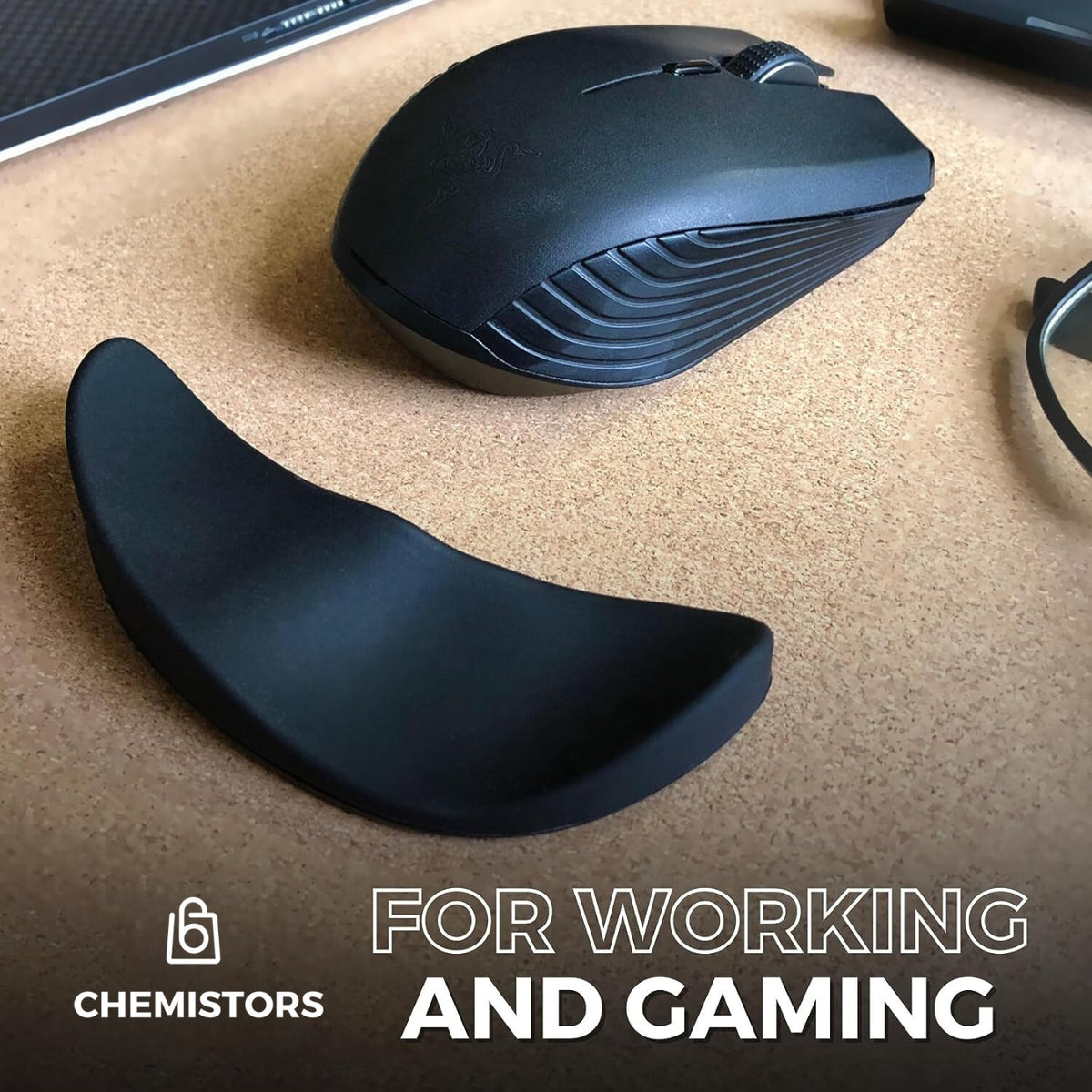
Lighting should come from the side, not directly overhead, to avoid glare on both the laptop screen and notebook pages. A warm task lamp positioned to the non-writing hand's side reduces shadow across the page. Combine that with a wrist rest if handwriting or mouse use runs long. Sustained wrist extension during typing or writing is a known contributor to early repetitive strain symptoms, and a low-profile pad keeps the wrist closer to neutral.
Budget Tiers for a Student Study Table Setup in India
Budget is the real constraint for most student setups, more than any single product choice. A useful way to think about it is in three tiers, building from the desk mat outward.
Under ₹800 covers a compact desk mat and a basic desk organiser for pens and chargers, enough to stop the worst of the clutter and scratches. ₹800 to ₹2,000 adds a proper laptop sleeve sized to the actual device and a wrist rest for long typing sessions, which is the tier most students should target first. Above ₹2,000 brings in a wireless charging desk mat that removes one more cable from the desk, useful in shared rooms where socket access is limited.
None of these tiers require touching the table or the wall, which matters for students in rented rooms, hostels, or PG accommodation where structural changes are not allowed or not worth the deposit risk.
For a room-level version of this same setup approach, the complete home office setup guide for India covers desk, chair, and cable choices for anyone sharing a room or working from a small space.
Frequently Asked Questions
What is the ideal study table height for students in India?
OSHA (2023) recommends 71-76 cm, measured so elbows rest at roughly 90 degrees when seated with feet flat on the floor. Most standard Indian study tables fall in this range already. If the table is fixed and taller than that, a cushioned chair or footrest closes the gap without replacing furniture.
Do I need a desk mat for a study table?
Not strictly, but it protects the surface from ink, spills, and scratches, and gives a consistent area for both notebook writing and mouse use. For rented rooms or shared study tables, a mat also marks out personal desk space without any permanent change to the furniture.
What size laptop sleeve should a student buy?
Measure the laptop's physical width and depth in mm, not the marketed screen size, since chassis dimensions vary between brands at the same screen size. Add roughly 5-10 mm of clearance for the sleeve's padding to fit properly without stretching the zip.
How can I set up a study table in a small hostel or PG room?
Start with a compact desk mat sized under 90 cm, keep storage on the desk itself rather than separate furniture, and use a foldable or wall-mounted lamp instead of a full desk lamp. Every accessory should be removable, since most hostel and PG rooms restrict structural changes.
What is a good budget for a complete study table setup in India?
₹800 to ₹2,000 covers a desk mat, laptop sleeve, and wrist rest, which addresses the accessories that matter most for daily comfort. Spending beyond that tier makes more sense once the basics are in place, particularly for a wireless charging desk mat if cable clutter is a real problem.





Leave a comment
This site is protected by hCaptcha and the hCaptcha Privacy Policy and Terms of Service apply.